Understanding Electrical Services: What Your Contractor Can Do for You
Understanding electrical systems and services is essential for homeowners. A qualified professional contractor serves a critical function in improving overall safety and operational efficiency. They offer various services, from new installations to ongoing maintenance and system upgrades. Choosing the ideal contractor requires considering a variety of important factors. Property owners often overlook the significance of compliance with safety regulations. As the conversation progresses, key insights will become apparent about optimizing electrical systems and providing homeowners with peace of mind. Which electrical needs should homeowners place at the top of their list?
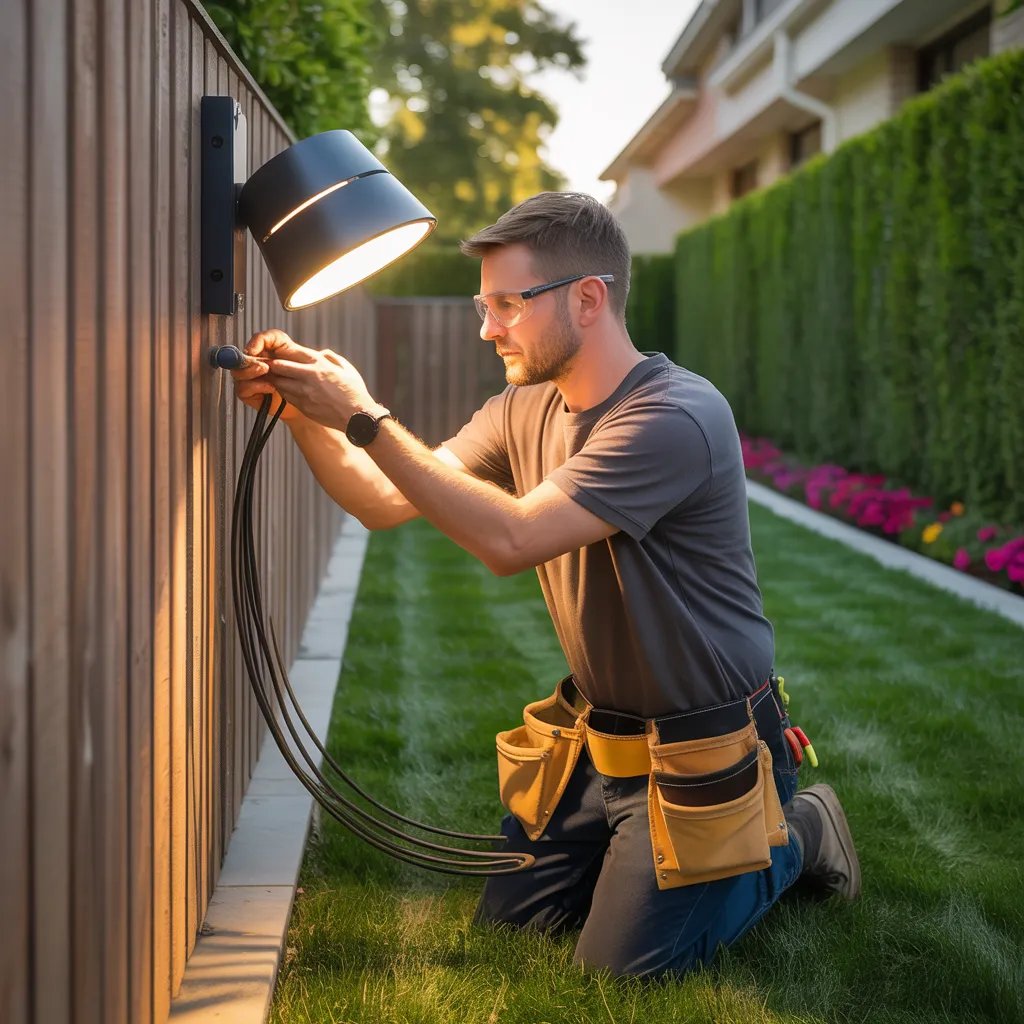
What Kinds of Electrical Services Do Contractors Offer?
Electrical contractors offer an extensive array of solutions designed to address various residential, commercial, and industrial needs. They oversee installation work, including lighting systems, outlets, and circuit breakers. Moreover, they deliver maintenance support to ensure electrical systems function reliably and securely. Troubleshooting and repairs are another crucial aspect of their offerings, tackling concerns including damaged wiring or non-functioning appliances.
Furthermore, electrical contractors are skilled in modernizing current electrical infrastructure to accommodate modern demands, including sustainable solutions and advanced home automation. They can also assist with compliance with local electrical codes, confirming that installations adhere to safety requirements. For commercial customers, services often cover large-scale endeavors, such as wiring solutions for industrial sites and office spaces. All things considered, electrical contractors are indispensable in ensuring that electrical systems are reliable, safe, and up to date, catering to the specific requirements of each client.
Key Factors in Choosing an Electrical Contractor?
When hiring an electrical contractor, two critical factors come into play: expertise and credentials, along with licensure and insurance standards. An electrician's level of expertise typically indicates their capability to address a wide range of electrical tasks with safety and precision. Verifying appropriate licensing and insurance coverage not only shields the homeowner from liability but also confirms the contractor's authenticity and commitment to professionalism.
Background and Qualifications
Choosing an electrical contractor demands careful assessment of their expertise and credentials, which are vital measures of reliability and expertise. A contractor with extensive experience is likely familiar with a broad range of electrical issues and configurations, facilitating more streamlined problem-solving. Furthermore, examining a contractor's qualifications, such as their training and certifications, can shed light on their familiarity with current industry technologies and standards. Skilled contractors are also more prepared to foresee potential problems and offer effective remedies, ensuring a more seamless project execution. Ultimately, selecting a contractor who exhibits both experience and appropriate certifications can significantly influence the quality and safety of electrical work, cultivating trust and confidence in the solutions offered.
Licensing and Insurance Prerequisites
Licensing and insurance criteria serve a vital function in the choice of an electrical contractor, as they guarantee compliance with local regulations and safeguard both the contractor and the client. Contractors need to maintain the correct licensing credentials, which demonstrate their technical competence and understanding of safety standards. This guarantees superior craftsmanship and minimizes the risk of legal disputes. Additionally, adequate insurance coverage protects clients from financial liability in case of accidents or damages during the project. Homeowners are encouraged to confirm a contractor's qualifications by obtaining copies of their license and insurance paperwork. By focusing on licensed and insured contractors, clients gain greater confidence in their decision, ensuring that all electrical work is completed safely and efficiently.
What to Anticipate During Electrical Installation
In the course of the electrical installation process, a comprehensive pre-installation assessment is crucial to ensure all specifications are satisfied. This approach works to identify possible obstacles and facilitates thorough planning. Furthermore, stringent safety guidelines are followed to protect both the workers and the property during the installation process.
Pre-Installation Assessment Process
A thorough preliminary assessment is essential for a effective electrical installation. This process typically begins with a comprehensive site inspection where the contractor evaluates the current electrical infrastructure and identifies any possible challenges. During this step, contractors also obtain details about the particular electrical requirements of the client, confirming that the proposed system meets their expectations. Furthermore, load calculations are conducted to determine the appropriate capacity and setup of the electrical system. The contractor might also examine local codes and regulations to verify compliance. This thorough assessment not only helps in planning the installation but also helps to prevent unforeseen issues, contributing to a smoother completion of the electrical project.
Safety Measures In Effect
Applying stringent safety protocols is fundamental to any electrical installation. Electrical contractors focus on establishing a secure work environment by following rigorous standards. This involves performing a detailed risk evaluation prior to starting the project, making certain that every crew member is provided with suitable personal protective equipment (PPE). Throughout the installation process, the contractor implements lockout/tagout protocols to avoid unintended energization of circuits. Routine safety meetings are held to ensure all team members are aware of possible dangers. Additionally, the worksite is monitored for compliance with local electrical codes and regulations, ensuring that all installations meet safety standards. By following these protocols, contractors greatly reduce the risk of accidents, ensuring a safer experience for both workers and property owners.
Top 5 Common Electrical Repairs and Their Solutions
When property owners face electrical problems, being aware of the most typical repairs can expedite the troubleshooting process. One prevalent issue is faulty outlets, typically addressed by swapping out the outlet or verifying correct wiring connections. A further frequent repair deals with circuit breakers that continually trip, which may require inspecting for overloaded circuits or damaged wiring. Intermittent lights can suggest loose connections or obsolete fixtures, necessitating replacement or thorough inspection. Additionally, power surges can damage appliances, leading to the use of surge protectors to protect equipment. In addition, unresponsive switches frequently point to defective wiring or the necessity for switch replacement, guaranteeing that electrical systems operate effectively. Understanding these concerns permits residents to collaborate productively with licensed electricians, facilitating faster and more accurate repairs. Each of these common repairs highlights the importance of addressing electrical problems promptly to maintain safety and functionality within the home.
Why Regular Electrical Services Maintenance Matters
Regular electrical services maintenance is crucial for ensuring both reliability and safety in a residential electrical system. With time, deterioration can cause issues such as faulty wiring, overloaded circuits, or outdated components, heightening the danger of electrical fires and equipment failure. Regular inspections by certified professionals can detect potential issues before they escalate, enabling timely corrections or upgrades.
Moreover, routine maintenance is key to optimizing energy efficiency, thereby reducing utility bills and extending the longevity of appliances. It also ensures adherence to local building codes and safety regulations, safeguarding homeowners against legal liabilities. Failing to prioritize maintenance can cause unexpected breakdowns, see this causing inconvenience and costly repairs. By prioritizing regular electrical services, homeowners can safeguard their property, strengthen the reliability of their electrical systems, and gain peace of mind knowing their electrical infrastructure remains in excellent condition.
Benefits and Options for Upgrading Your Electrical Systems
Upgrading residential electrical setups presents many positive outcomes that can substantially boost a household's safety and functionality. Improved efficiency is one of the main benefits, as up-to-date systems employ innovative technology to decrease power consumption and reduce monthly energy costs. Enhanced safety features, such as circuit protection devices and surge protectors, considerably decrease the threat of fire hazards and equipment deterioration.
Homeowners also gain access to enhanced electrical capacity, supporting the rising number of electrical devices and appliances in contemporary homes. This improvement enables the installation of additional outlets and dedicated circuits for major appliances, minimizing the chance of overloading current wiring.
Moreover, visual enhancements can be achieved through updated lighting fixtures and smart home technologies, providing customized atmosphere and convenience. With a range of options available, including complete rewiring or partial upgrades, homeowners are able to tailor their electrical improvements to meet specific needs and budgets, thereby increasing the property's value.
How to Achieve Compliance With Electrical Safety Regulations
Guaranteeing compliance with electrical safety regulations is critical for contractors and homeowners alike. To achieve this, it is necessary to stay informed about local codes and guidelines, which can vary substantially. Professionals should complete routine training and credentialing courses to remain aware of current regulatory updates.
Carrying out detailed assessments preceding and subsequent to electrical work serves to uncover potential hazards. Utilizing qualified professionals who hold the required credentials confirms alignment with established safety standards. Furthermore, maintaining accurate documentation of all electrical work performed creates a comprehensive account for future reference.
Consistently revising and evaluating safety protocols can significantly strengthen compliance, especially when updated rules are implemented. Finally, consulting local authorities or electrical inspection services can supply useful information and support, confirming that all work adheres to official guidelines. By emphasizing these approaches, both homeowners and contractors can play a role in building a safer electrical landscape.
Common Questions and Answers
What Are the Signs That My Electrical System Needs an Upgrade?
Indicators that an electrical system needs an upgrade include frequent circuit breaker trips, lights that flicker, outdated wiring, a lack of adequate outlets, or the failure to accommodate modern appliances. Consulting a professional electrician can provide a thorough professional assessment along with expert recommendations.
What Credentials Should I Seek in an Electrical Contractor?
When selecting an electrical contractor, one should prioritize qualifications such as proper licensing, insurance, relevant experience, and positive customer reviews. Safety certifications and continued education also demonstrate a commitment to quality and professionalism.
Is It Safe to Handle My Own Electrical Repairs?
Carrying out DIY electrical fixes can be risky without the right training and expertise. Safety regulations must be followed, and mistakes can lead to dangerous situations. Contacting a trained electrical expert is typically the most prudent choice.
How Much Time Does an Electrical Installation Usually Take?
Electrical installation work generally takes from a few hours up to several days, depending on the complexity of the project. Elements including the property size and particular project demands play a significant role in determining the total duration.
What Are the Indicators of Defective Electrical Wiring?
Symptoms of faulty wiring issues include circuit breakers that trip frequently, lights that flicker, outlets with discoloration, an unusual burning odor, or warm switches. Such symptoms frequently suggest underlying issues that call for immediate attention from a professional to ensure your safety.
Comments on “request Electrical Contractor for your project”